
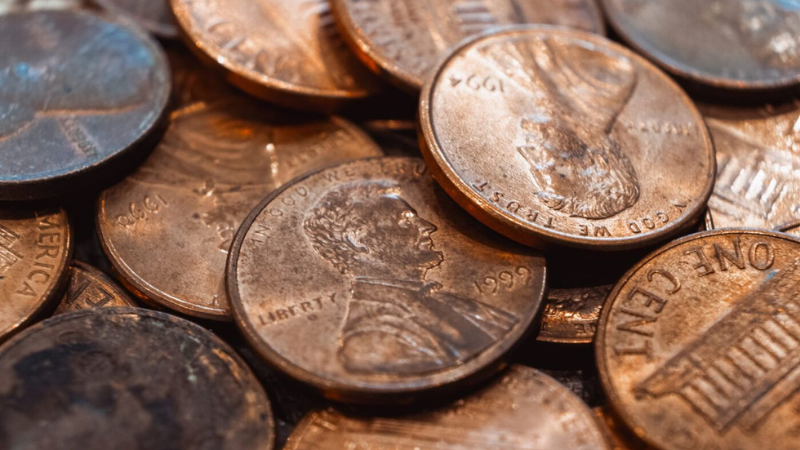
In May 2025, the U.S. Treasury announced that the penny would be discontinued after more than 230 years in circulation. The decision came after years of debate about the cost and practicality of keeping the coin in production. It currently costs about 3.69 cents to mint and distribute a single penny, which means the government loses money every time one is made. In 2024 alone, the U.S. Mint reported a loss of approximately 85 million dollars from penny production. Ending it is expected to save taxpayers around 56 million dollars a year.
The last order for penny blanks was placed in May 2025, and production is expected to stop completely in early 2026 once the remaining supply runs out. Pennies will still be accepted as legal tender, but no new ones will be made. When cash transactions occur, totals will be rounded to the nearest nickel, though card and electronic payments will continue to be charged to the exact cent.
Studies by the Richmond Federal Reserve suggest that rounding will have a very small financial impact on consumers. Researchers estimate that the so-called “rounding tax” will total about six million dollars annually, since most cash totals tend to end in digits that round up. Canada, Australia, and several other countries have already removed their lowest-value coins with little disruption to daily commerce.
The move to retire the penny reflects a broader shift in how people pay for goods and services. With digital payments now accounting for more than 80 percent of U.S. transactions, many see the penny as a relic of a different era—one that no longer fits the pace or practicality of today’s economy.
