
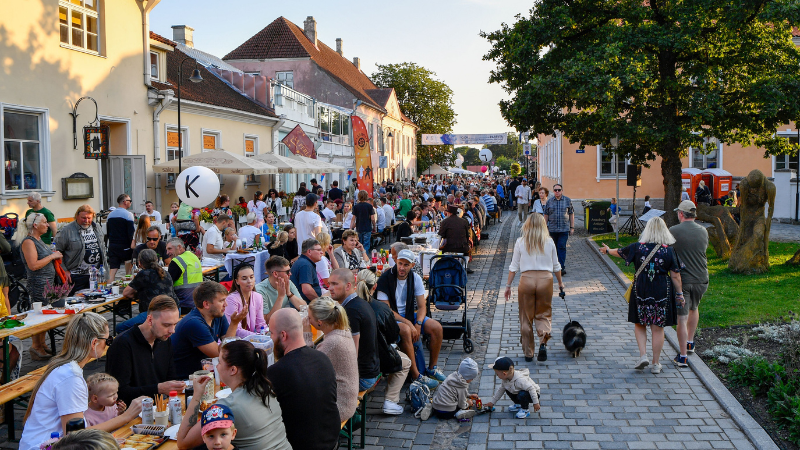
By July, folding chairs come out of garages, the church parking lot smells like grilled onions, and someone is taping a handwritten sign to a card table. Small-town summer events last because they turn ordinary streets, parks, and parking lots into places where neighbors stop, talk, eat, and remember they belong to the same place.
That gathering may look casual from the outside, but anyone who has hauled coolers or set up tents knows how much care sits underneath it.
Familiar Faces Make the Crowd Feel Personal
A parade, picnic, music night, or fair may sound simple on a flyer, yet the mood changes once people arrive and start recognizing one another. A former teacher sells raffle tickets, a neighbor waves cars into a grass lot, and someone’s teenager plays bass on a temporary stage. The bigger draw is the familiar faces gathered without needing a holiday.
Recent coverage of festival volunteers in small communities shows how much of this atmosphere depends on unseen work before anyone buys a ticket or orders food. The result feels personal because people know who hung the banners, baked the pies, and swept up after dark.
Kids Give Adults a Reason to Stay
Parents may plan to stop by for food or a quick listen to the band, then stay longer because the children find something to do. A kids’ area with room to jump, race, climb, or play changes the afternoon because adults can talk without becoming the entertainment themselves.
Picnic tables near the children’s area, shade close enough for grandparents, and clear sightlines help families settle in. A summer gathering with Rapid City inflatable rentals gives younger guests a clear place to put their energy while adults reconnect with people they might otherwise only wave to from a car window.
Traditions Give the Season a Shape
A pancake breakfast, pie contest, car show, or outdoor concert may not seem dramatic from the outside. For the people who return every year, those routines mark the season. Kids remember which booth has the best snow cones. Grandparents remember where the band used to set up. New families learn by watching everyone else.
A seasonal arts celebration can shape how people think about a place, especially when the same event returns with music, food, and familiar rituals. The pull behind summer cultural traditions is not only the program. It is the feeling that a community has agreed that this weekend matters.
The Rough Edges Are Part of the Charm
Small-town events rarely look perfect from every angle. The microphone may squeal, a food booth may run out early, or someone may spend ten minutes hunting for trash bags while the line keeps growing. Those details can frustrate organizers, but they also remind people that the event is being held together by neighbors.
That local effort creates a different kind of loyalty. People forgive the long lemonade line when they know the person pouring drinks. They buy raffle tickets because the school band needs uniforms. They stay for one more song because a friend’s kid is about to perform.
Small-town summer events still work because they make community visible. For a few hours, neighbors are handing out plates, saving seats, cheering for children, and staying until the last table folds.