
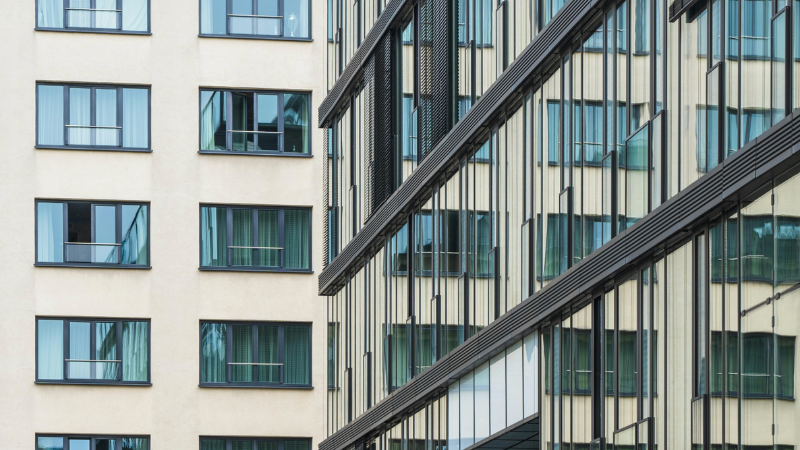
A commercial building takes a beating. Rain hits the roof, deliveries scrape loading bays, foot traffic wears out entrances, and temperature changes test every joint and panel. That’s why choosing durable materials isn’t just about picking something tough. It’s about finding materials that suit the building, the workload, and the budget without storing up problems for later.
Assess the Building’s Demands
Start with the day-to-day reality of the site. A busy warehouse, a retail unit and a healthcare building won’t age in the same way, so they shouldn’t be treated the same way. Think about footfall, machinery, moisture, cleaning routines and exposure to the weather. A material that works well in a reception area may fail fast in a plant room or loading zone.
It also helps to look at component life expectancy data before making decisions. That won’t tell you exactly how long every finish or system will last, but it does remind you that different parts of a building age at very different rates.
Compare Material Types
Once you know what the building needs to cope with, you can compare materials with a bit more confidence. Steel is often chosen for strength and weather resistance. Concrete can handle heavy wear. Timber can work well in the right setting but usually needs more care. Composite options are often attractive when you want a balance of durability, appearance and lower maintenance.
For external envelopes, the conversation usually comes round to roofing, wall systems and long-term weather protection. That’s why cladding and sheeting services in Bath are often part of early discussions when owners are weighing steel panels against composite systems for commercial sites.
A simple way to compare materials is to ask:
- How well does it resist moisture, impact and corrosion?
- How much maintenance will it need each year?
- Will it still perform well after years of hard use?
Think Beyond Upfront Cost
Cheap materials can be expensive once repairs, downtime and early replacement start piling up. A lower quote might look appealing at tender stage, but it’s the whole-life cost that usually tells the real story. If a material needs regular patching, repainting or cleaning, the saving disappears quite quickly.
That’s especially true on commercial sites where access, disruption and lost working time all cost money. Paying more for something that lasts longer and needs less attention often works out better over the life of the building.
Check Safety and Compliance
Durability doesn’t matter much if the material isn’t suitable from a safety point of view. Fire performance, structural behaviour and product compatibility all need proper attention, especially on the outside of the building. That applies to refurbishments as much as new-build projects.
Useful guidance on cladding durability and fire performance can help show why material choice should never be made on looks or cost alone. What seems like a tidy finish on paper still has to deal with movement, loading, weather exposure and compliance.
Choose Materials That Last in Practice
The best material is usually the one that keeps doing its job without constant attention. That means matching products to the building’s use, location and maintenance plan rather than chasing trends or going with whatever seems cheapest on the day.
Before signing anything off, step back and ask a simple question: will this still make sense in ten or fifteen years? If the answer is yes, you’re probably choosing materials for the real world, not just for handover day.